Reimagine, Reuse, Reduce: Your Sustainable Second-Hand Swap Hub
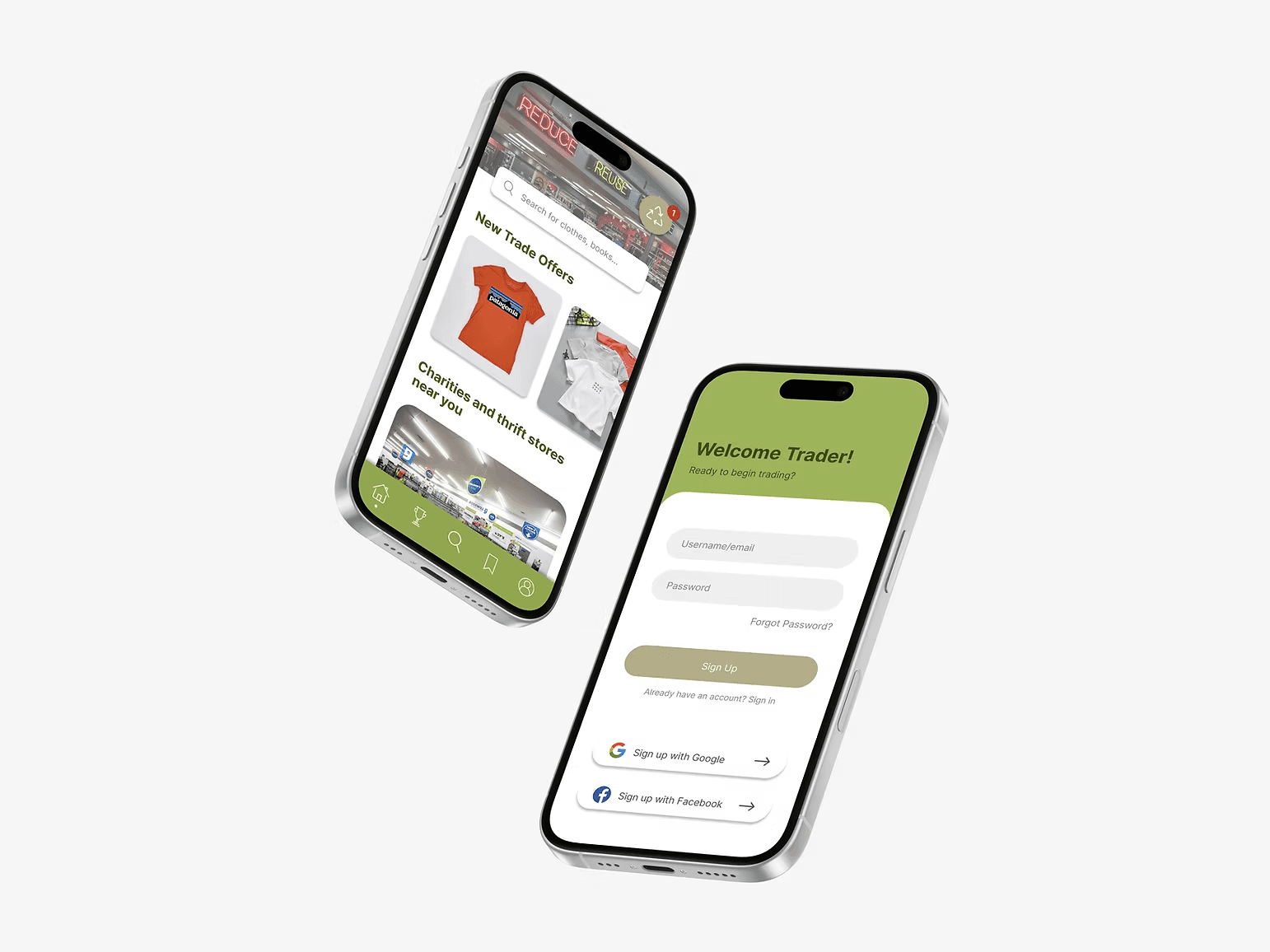
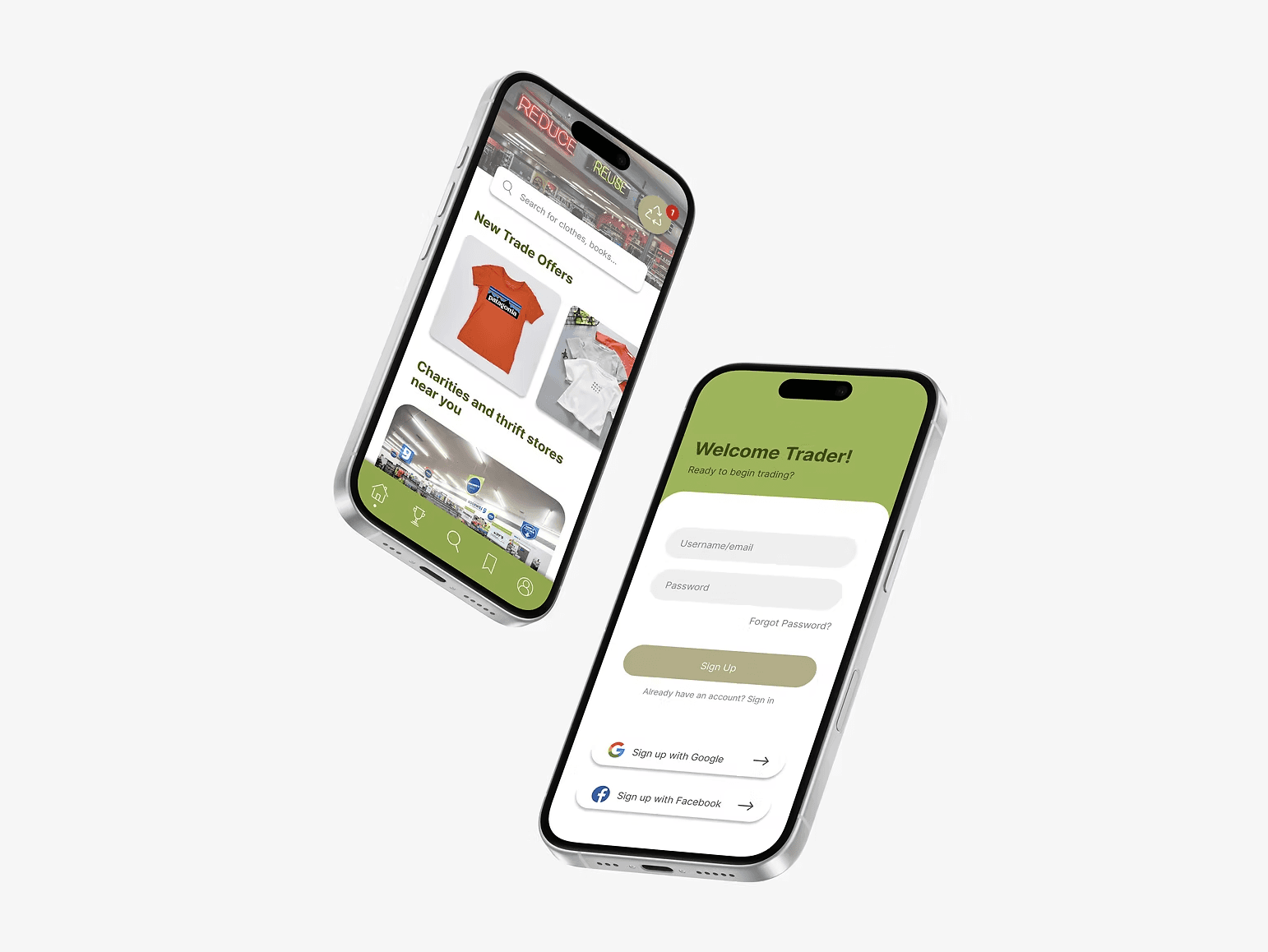
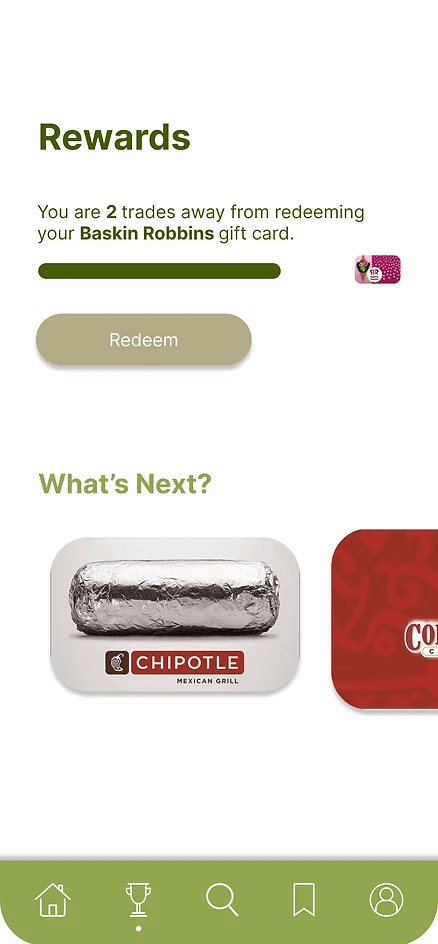
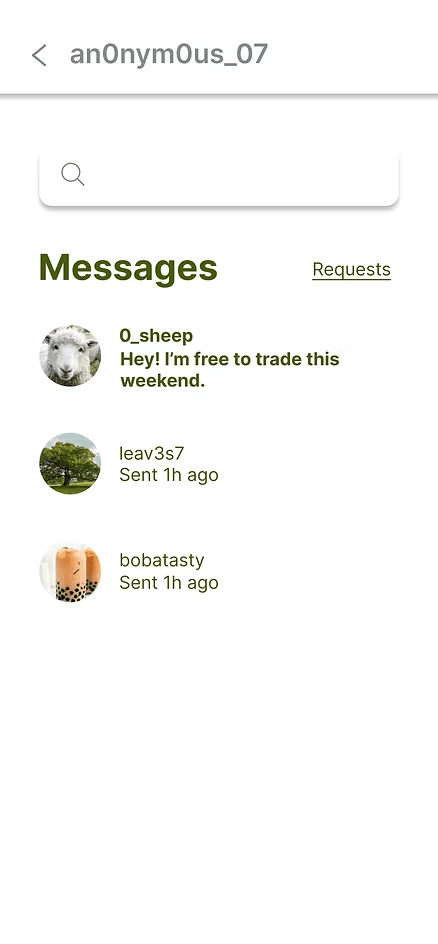
Second is a sustainable second-hand swap app designed to help users trade reusable goods instead of throwing them away. Built primarily for high school students, it encourages everyday reuse through a simple listing-and-chat flow that makes swapping fast and approachable. In this project, I designed the mobile experience from concept to prototype with a focus on reducing waste, supporting community donation, and making second-hand exchange feel rewarding rather than inconvenient. My goal was to lower the barrier to trading by streamlining item discovery and communication, while reinforcing sustainable behavior through features like local donation center search and a rewards system.
Logistics
Date
Role
Timeline
Tools
Type
Inspiration
Due to the lack of consideration for the environment, people produce loads of trash every day which can critically damage our ecosystems. Solid waste that runs off and pollutes nearby waterways and terrestrial areas can: physically harm organisms, block sunlight for producers, obstruct the vision of predators and prey, and much more.
While there is no way to completely erase our solid waste from the environment, there are ways to minimize it. For example, using the three R’s: Reduce, Reuse, Recycle. In order to help this cause, I designed an app that aims to reduce waste by encouraging the trade of reusable goods.
Background
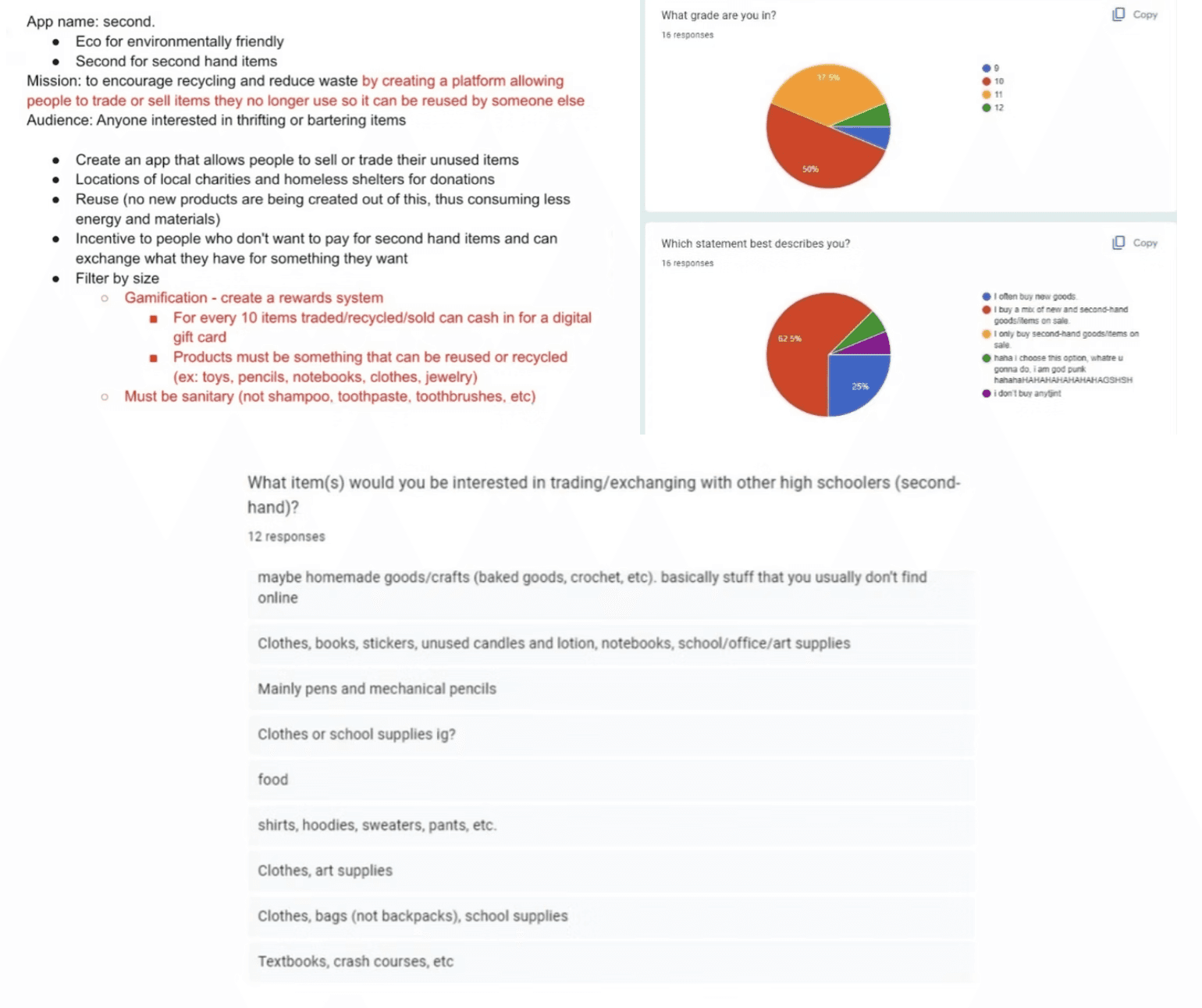
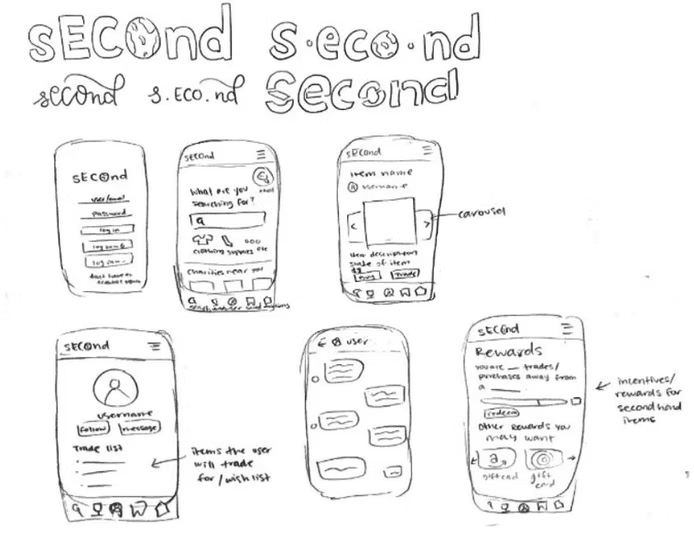
While brainstorming, I focused on delineating the features and conceptual framework of the mobile application. Second focuses on high schoolers as the primary audience.
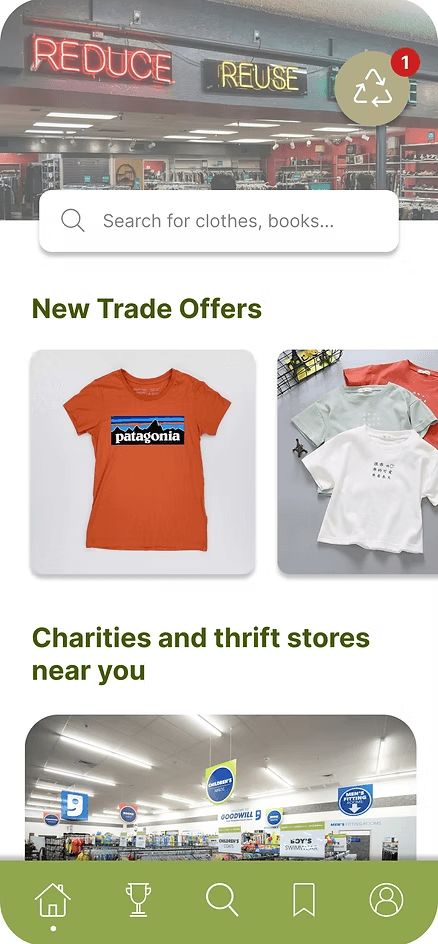
Rather than relying on internet-derived data, I opted to create a personalized Google Form to collect insights directly from my peers. Following the survey responses, I extended my research efforts by exploring potential tradable items and gathering information for an additional app feature. This feature facilitates users in searching for local charities and donation centers, promoting community engagement and reducing waste production by providing alternatives to discarding items. Furthermore, it offers users the opportunity to discover nearby second-hand shops, facilitating budget-friendly, sustainable shopping experiences.
Wireframes
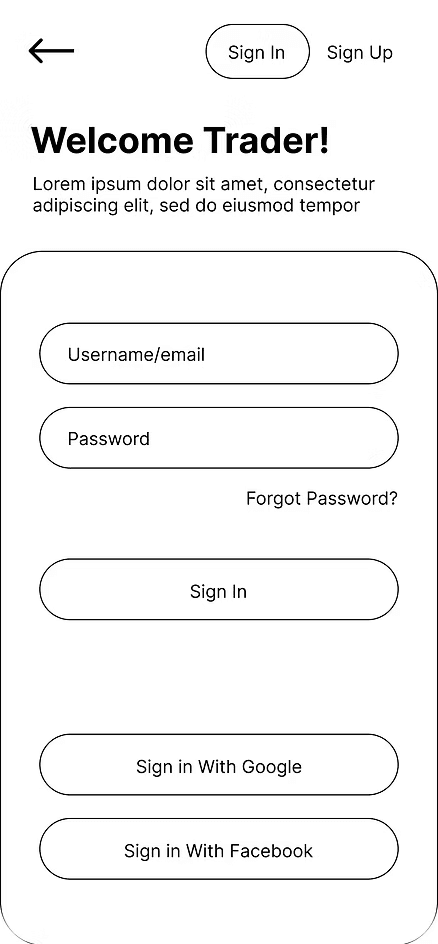
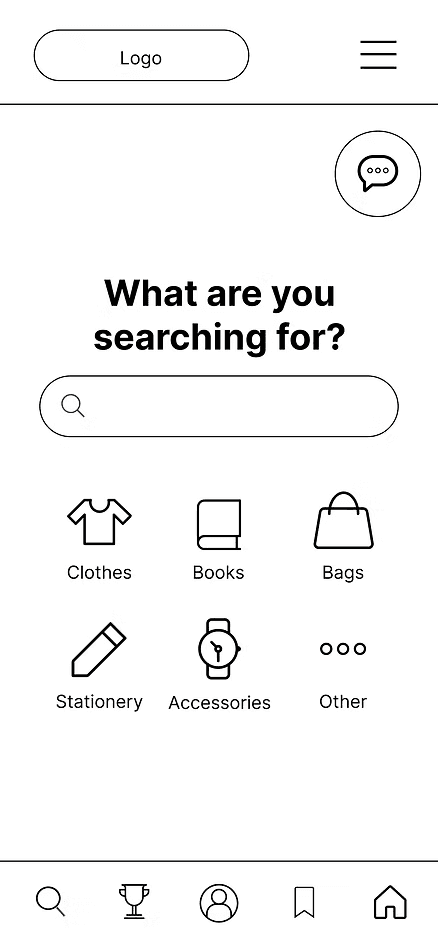
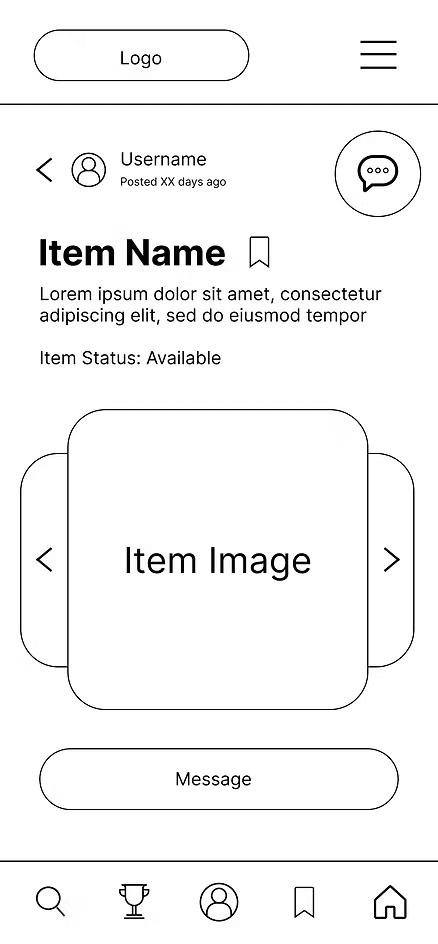
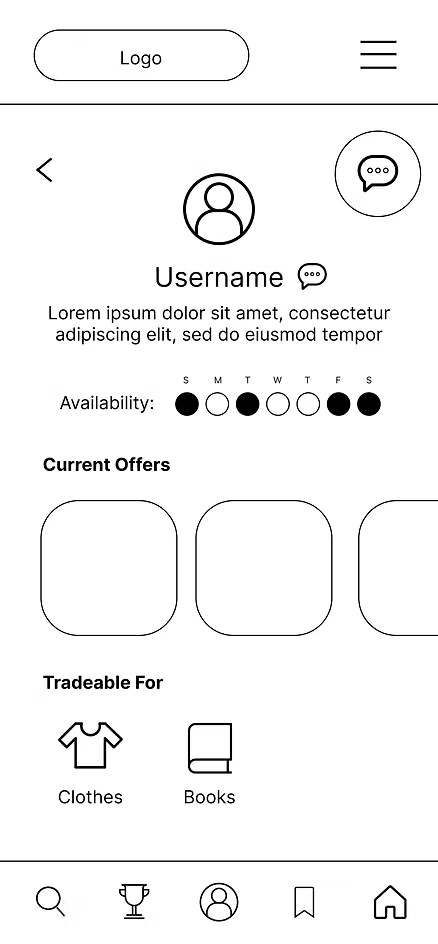
Based on my research insights and user persona, I created wireframes to explore a clearer, faster way for UCSD students to navigate shuttle information. These wireframes focused on simplifying route selection, improving arrival-time readability, and introducing key system states such as route direction and service paused messaging while keeping the map as the primary context.
I decided to keep the general design structure as the existing TransLoc app to minimize any confusion for users who suddenly have to adjust to a new design. Rather than reimagining the entire application, I focused on making minimal changes that still made a difference. For instance, I included the counter-clockwise and clockwise symbols next to the "(OL) Outside Loop" and "(IL) Inside Loop."
Prototyping & Final
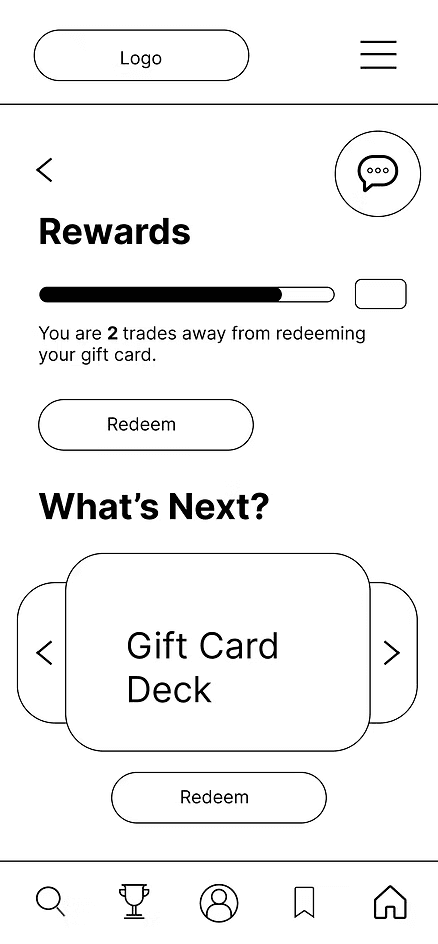
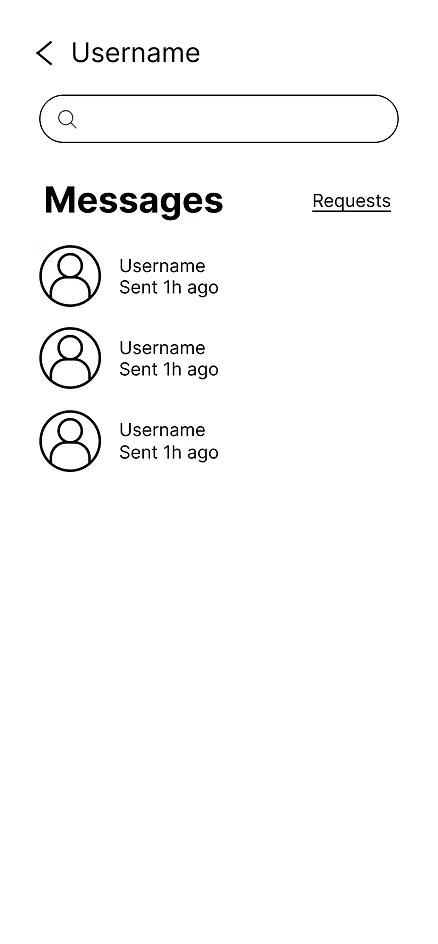
After completing the low-fidelity wireframes, I began refining the layout into mid-fidelity designs to strengthen hierarchy, spacing, and interaction patterns. I then created a clickable prototype to test key flows—such as selecting a route, checking arrival times, and understanding service status in order to identify remaining friction points. These iterations helped ensure the final interface was not only visually cleaner, but also faster and more intuitive for students using the app in real time.
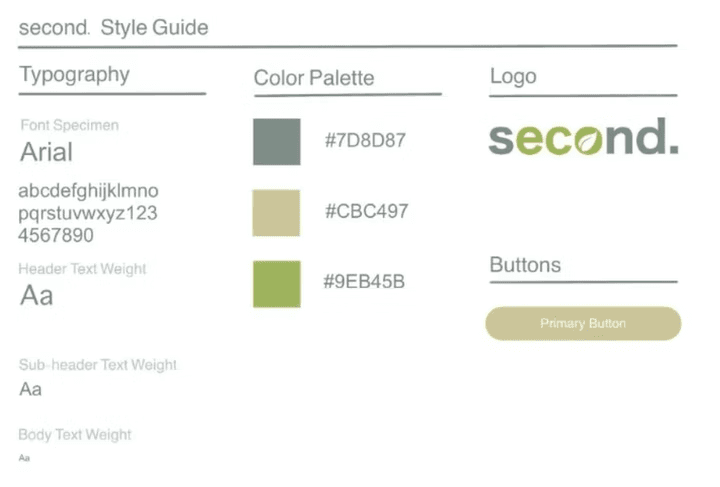
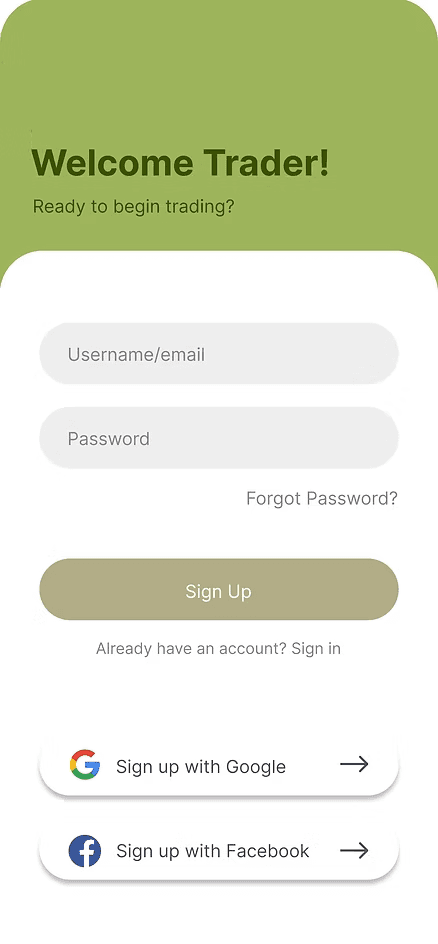
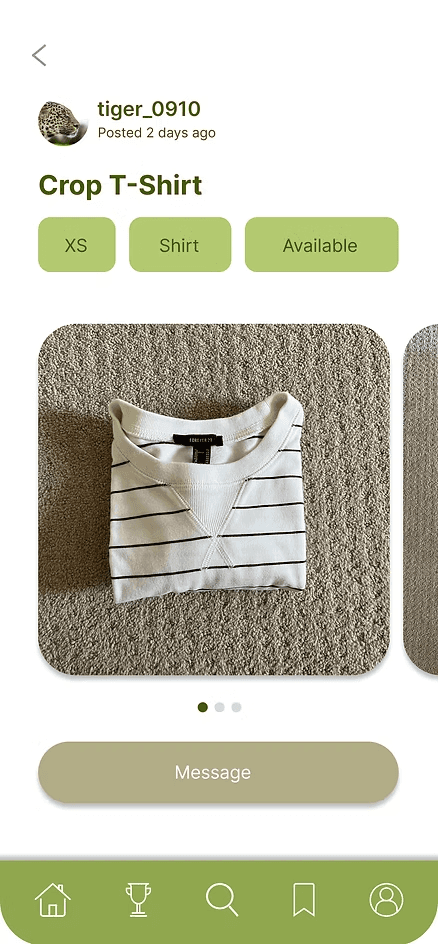
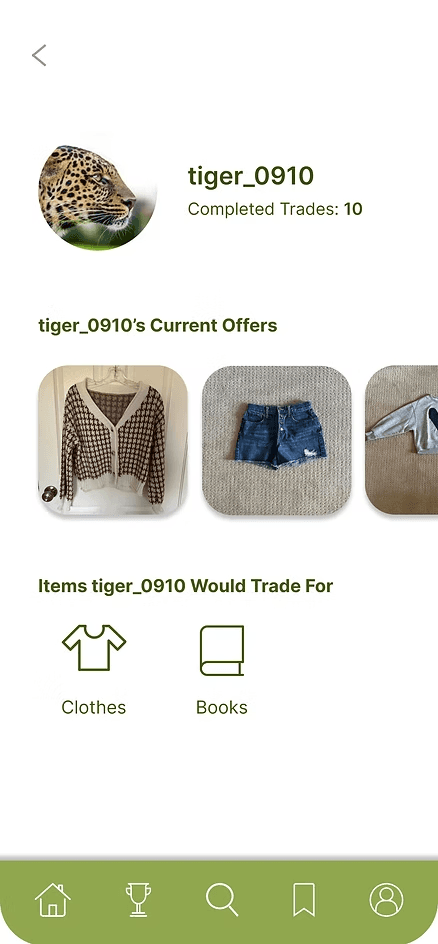
After iterating on the mid-fidelity prototype and refining the core user flows, I transitioned into high-fidelity wireframes to finalize the visual design and interaction details. This stage focused on creating a cohesive UI system (e.g. typography, spacing, iconography, and component styling) while ensuring the interface remained minimal, formal, and easy to scan in real-time transit situations.
Conclusion
In tackling my second UX project, which also served as the final project for my AP Environmental Science class, I encountered various challenges during the app design process. One notable challenge was the time constraint imposed by the project's status as a final assignment. To navigate this challenge and efficiently incorporate key app features, I proactively sought guidance from experienced professionals in the field of UI/UX design. As a result, I learned to prioritize essential features over others to meet the given deadline.
My public speaking skills underwent further refinement during the presentation of this app to my class and I received positive engagement and enthusiasm from my classmates and teacher. The valuable feedback I obtained not only reinforced the strengths of the current project but also prompted contemplation of other features for future apps.